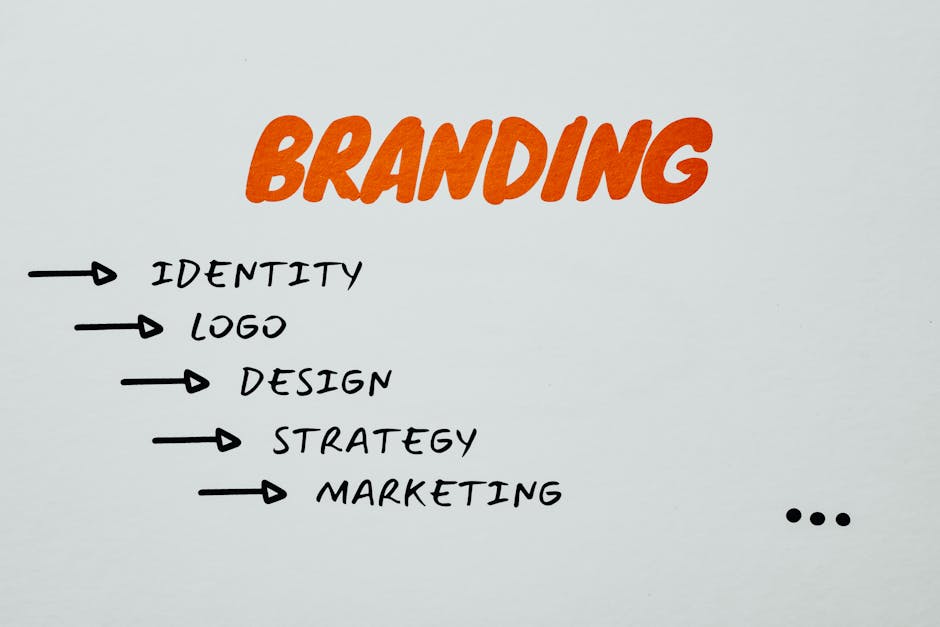

In a crowded market, a strong brand identity for your tech startup is your most valuable asset. It differentiates you, builds trust, and drives customer loyalty. This step-by-step guide will help you craft a memorable brand from the ground up, using proven SEO and brand strategy principles.
Step 1: Define Your Core Purpose and Mission
Before any visual design, establish your brand strategy. Ask: Why does your startup exist beyond making profit? What problem do you solve? Document your mission statement and core values. This foundation guides every decision, from product features to customer support. A clear mission also improves brand storytelling for your website and social media.
Step 2: Research Your Target Audience and Competitors
Your brand must resonate with a specific target market. Create detailed buyer personas including demographics, pain points, and tech preferences. Use competitor analysis to identify gaps in the market. Look at their brand positioning, messaging, and visual style. This ensures your brand differentiation is authentic and effective.
Step 3: Create Your Visual Identity
Your visual identity includes your logo, color palette, typography, and iconography. Hire a professional designer or use tools like Canva. Choose colors that evoke the right emotions—blue for trust, green for innovation. Ensure your logo design works on both a website header and a mobile app icon. Consistency in branding elements across all touchpoints builds recognition.
- Select 2-3 primary colors and a secondary accent color.
- Pick one or two web-safe fonts for typography.
- Create brand guidelines document for your team.
Step 4: Craft Your Brand Voice and Messaging
Your brand voice reflects your personality. Is it professional, playful, or disruptive? Write a brand tone guide. Develop key brand messages for your value proposition, tagline, and elevator pitch. Use SEO keywords naturally in your copy, like “tech startup solutions,” “scalable software,” and “innovative technology.” This improves your content marketing and search rankings.
Step 5: Build a Consistent Online Presence
Apply your brand across all digital channels: your startup website, blog, LinkedIn, Twitter, and product pages. Ensure brand consistency in headers, footers, and call-to-action buttons. Implement technical SEO with proper meta titles, descriptions, and alt text for images. Use social media branding templates for every post. Regular brand auditing helps catch inconsistencies.
Step 6: Develop a Brand Experience Strategy
Brand identity extends beyond visuals. Your customer experience includes onboarding emails, customer support tone, and product UX. Design a brand journey map that aligns with your values. For example, if your startup prioritizes transparency, include clear pricing and open feedback channels. This creates emotional branding that fosters long-term loyalty.
Step 7: Monitor, Adapt, and Evolve
A brand identity is not static. Collect feedback via surveys and analytics. Track brand awareness metrics like website traffic, social mentions, and NPS scores. If your startup pivots or the market changes, update your brand guidelines accordingly. Use tools like Google Trends to stay relevant. Regularly refresh your SEO content to maintain authority.
By following these steps, you’ll build a strong brand identity that attracts investors, customers, and top talent. Consistency and authenticity are your greatest allies in the tech ecosystem.