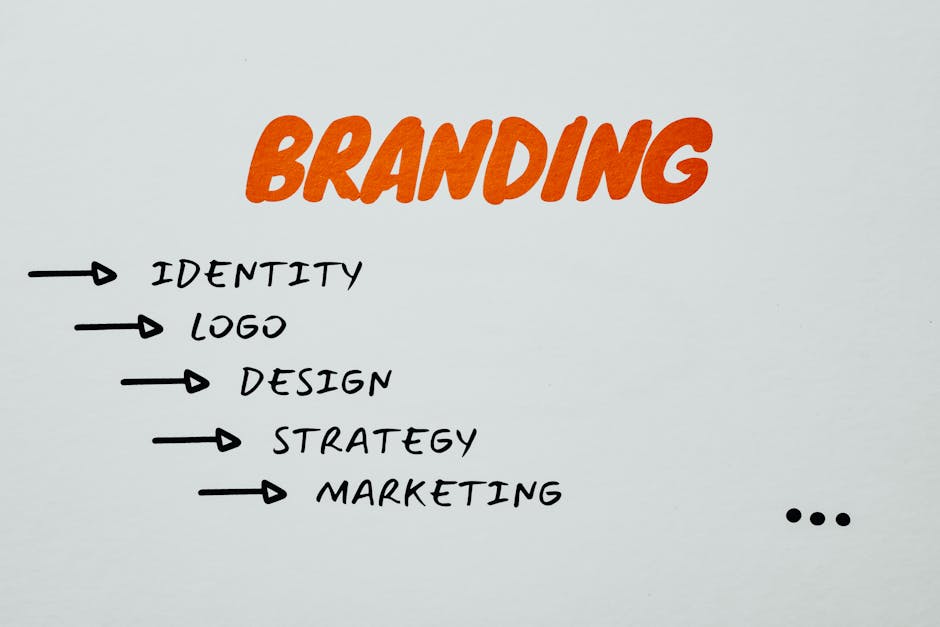

Why Brand Identity Matters for Tech Startups
In a crowded tech landscape, a strong brand identity differentiates your startup from competitors. It builds trust, drives customer loyalty, and attracts investors. A cohesive brand identity communicates your mission, values, and unique value proposition clearly, ensuring your target audience remembers you.
Step 1: Define Your Core Brand Strategy
Start by articulating your startup’s purpose. Answer these questions:
- What problem do you solve?
- Who is your ideal customer?
- What are your brand values?
- What is your brand personality? (e.g., innovative, reliable, playful)
Document this in a brand strategy guide. For example, a fintech startup might prioritize “security” and “simplicity,” while a gaming tech company could focus on “excitement” and “creativity.”
Step 2: Develop Your Visual Identity
Your visual identity includes your logo, color palette, typography, and imagery. Consistency across all touchpoints is key.
Logo Design
Create a simple, scalable logo that works in B&W and color. A tech startup often uses a mark or wordmark. For inspiration, look at successful tech company logos.
Color Palette & Typography
Choose 2-3 primary colors and 1-2 accent colors that reflect your brand personality. Select a font family that is legible on screen and print. Use a tool like Coolors.co or Adobe Color.
Imagery Style
Define your photography and illustration style. Use high-quality, consistent visuals that align with your brand voice. Avoid stock photos that feel generic.
Step 3: Craft Your Brand Voice & Messaging
Your brand voice is how you communicate. Write a tone of voice guide covering:
- Language style: Formal or casual? Technical or simple?
- Key messages: Tagline, mission statement, elevator pitch.
- Examples: How to speak on social media, in emails, and on your website.
For a B2B SaaS startup, the tone might be professional yet friendly. For a consumer app, it could be conversational and playful. Test your messaging with a small focus group.
Step 4: Create a Brand Style Guide
Compile all elements into a single document. Include rules for logo usage, color codes (HEX, RGB, CMYK), font hierarchy, and dos/don’ts. This ensures consistency when you hire designers or marketers later. Update it as your startup evolves.
Step 5: Apply Brand Identity Across All Platforms
Implement your brand identity on:
- Website: Homepage, product pages, blog, and footer.
- Social media: Profile pictures, cover images, and post templates.
- Collateral: Business cards, pitch decks, email signatures, and product packaging.
- Product itself: UI/UX design, loading screens, error messages.
Use a tool like Canva or Figma to create templates. Regularly audit your channels for compliance.
Step 6: Tell Your Brand Story
People connect with stories. Share your startup’s origin, challenges, and vision through a dedicated “About” page or blog series. Authentic storytelling humanizes your brand and fosters emotional connections. For example, how did your team pivot during the beta launch? What user feedback shaped your product roadmap?
Step 7: Monitor and Evolve Your Brand
Brand identity is not static. Use analytics to track brand awareness metrics (search volume, social mentions, Net Promoter Score). Conduct surveys every 6-12 months. Adapt your visual identity or messaging if your target market shifts, but keep your core values intact. A well-maintained brand identity grows alongside your tech startup.
By following these steps, your tech startup will build a recognizable, trustworthy brand that stands out in the digital industry and drives long-term business growth.